
The Family We Choose: Reimagining Family-Based Orphan Care in Tanzania
Why Traditional Orphanages Are No Longer Enough
In Tanzania, millions of children grow up without parental care. For decades, institutional orphanages have been the standard response to this crisis. While created with good intentions, growing research shows that even well-managed orphanages cannot replace the stability of family life.
The phrase family-based orphan care in Tanzania represents a shift from institutional survival to relational development.
When we met Emanuel, he had already lived in three different orphanages by the age of eight. He shared crowded dormitories with 15–20 children and rarely experienced individualized care.
“The caregivers were kind,” he said. “But they were always busy. Sometimes I just wanted someone to notice me.”
His experience reflects why Tanzania must rethink orphan care models.

The Orphan Care Crisis in Tanzania
Tanzania faces a significant child welfare challenge, with an estimated 3.1 million orphaned and vulnerable children. Traditional institutional care often struggles with:
High child-to-caregiver ratios
Rotating staff schedules
Limited emotional attachment
Institutional routines over nurturing relationships
Neuroscience and child development research confirm that consistent, responsive caregiving is essential for healthy brain development. Without it, children may experience emotional delays, attachment disorders, and long-term social challenges.
This is why family-based orphan care in Tanzania is gaining global attention as a sustainable, development-focused solution.
What Is Family-Based Orphan Care?
Family-based orphan care prioritizes stable, home-like environments instead of large dormitory systems.
Models include:
Supporting extended family members to care for orphaned children
Recruiting and training foster families
Transforming orphanages into small family-style homes
Assigning consistent “house parents” to small groups of 5–6 children
Preventing family separation through community support networks
These models recreate the emotional structure of a real family — the most critical factor in child development.
Proven Impact of Family-Based Care Models
Programs implementing family-based orphan care in Tanzania show measurable improvements:
Increased language development
Improved emotional regulation
Higher school performance
Stronger social integration
Reduced long-term dependency
Although costs are approximately 20% higher per child than traditional orphanages, developmental outcomes are significantly stronger, making this approach more sustainable long-term.
Our Solution: Nyumba ya Tumaini Child Haven Program
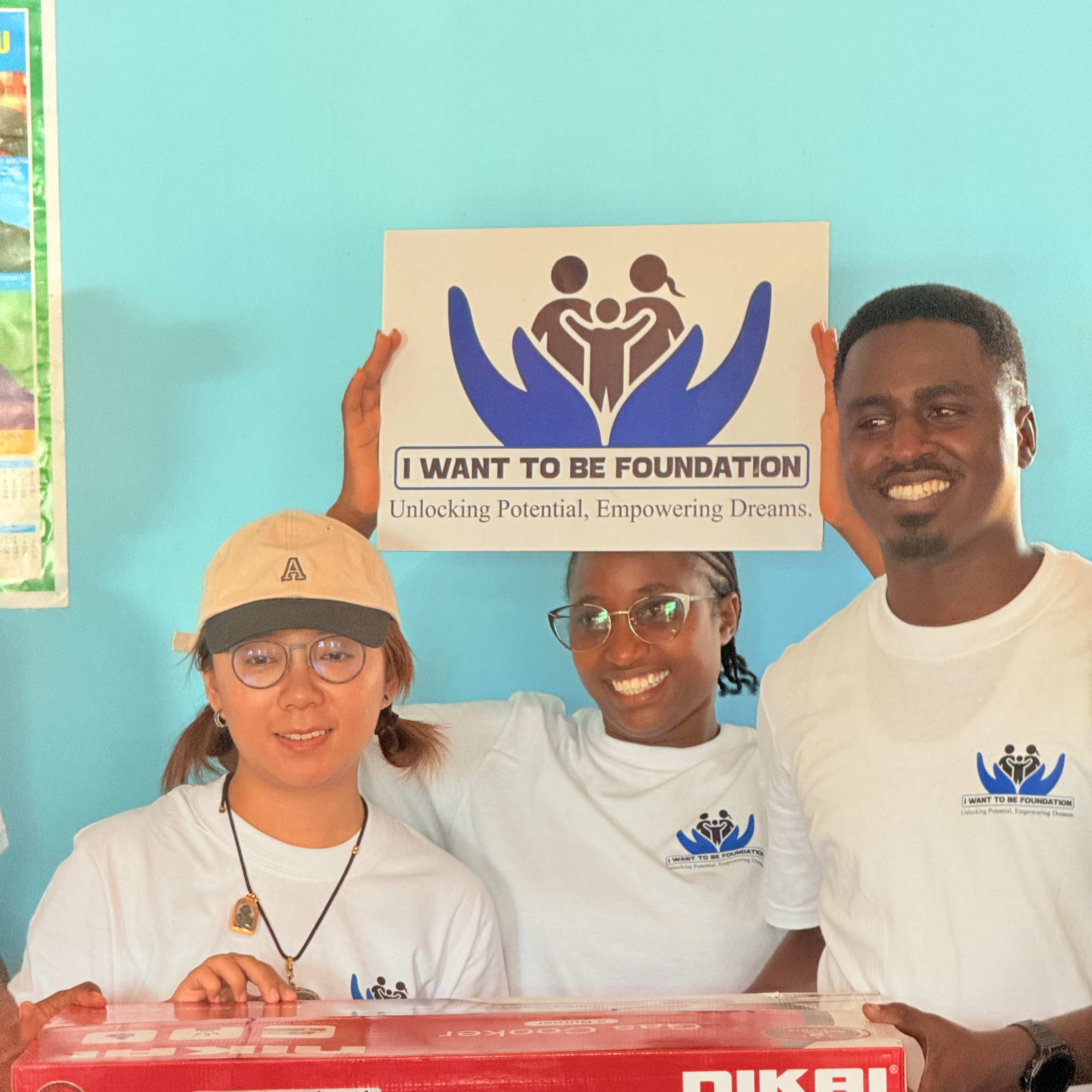
At the I Want To Be Foundation, our Nyumba ya Tumaini Child Haven Program is transforming institutional care into family-style homes across Tanzania.
We focus on:
Renovating facilities into small homes
Training caregivers in trauma-informed child care
Establishing stable parental figures (Mama and Baba)
Providing long-term monitoring and mentorship
By investing in family-based orphan care in Tanzania, we are not just providing shelter — we are restoring childhood.
Emanuel’s Transformation
Today, Emanuel lives in a family-style home with five other children and committed house parents.
He now has:
His own bed and personal space
Personal belongings and drawings on his wall
A caregiver who knows how he likes his morning chai
More importantly, he has stability, identity, and belonging.
That is the difference family makes.
Why This Matters for Global Supporters
Donors, partners, and global child welfare advocates increasingly recognize that institutional orphanages are transitional solutions — not permanent answers.
Family-based orphan care in Tanzania aligns with international child protection best practices and sustainable development frameworks.
Supporting this model means:
Breaking cycles of institutional dependency
Building resilient communities
Creating generational change
Support Family-Based Orphan Care in Tanzania
You can help transform the future of vulnerable children.
✔ Learn more about the Nyumba ya Tumaini Child Haven Program
✔ Sponsor caregiver training initiatives
✔ Contribute to family-style home development
✔ Partner with us in long-term child protection reform
The best institutions for children may not be institutions at all — but families we help create.


Comments