
Children’s Voices in Tanzania: Why Listening to Young People Changes Everything
Why Children’s Voices in Tanzania Matter for Development, Policy, and Community Impact
Children’s voices in Tanzania are one of the most overlooked yet powerful resources in community development.
Recently, during a planning session for a new community centre outside Arusha, a group of children were invited to share their thoughts. Instead of polite silence, they raised practical concerns: operating hours, safe walking routes for girls after dark, and the need for proper lighting in a homework space.
Their insights were not symbolic contributions.They were operational improvements.
Children are often the most underutilized experts on childhood.

The Demographic Reality: A Nation Shaped by Young Voices
In Tanzania, approximately 43% of the population is under the age of 15. This means nearly half the country experiences policies, education systems, and health programs as children.
Yet children’s voices in Tanzania are frequently excluded from:
School infrastructure planning
Healthcare service design
Community safety initiatives
Local governance consultations
National child protection strategies
This exclusion is not only a moral oversight — it reduces program effectiveness and wastes resources.
The Cost of Ignoring Youth Perspectives
When development programs are designed without child input, predictable problems emerge:
Classrooms that fail to support real learning environments
Health initiatives adolescents avoid using
Community facilities that remain underutilized
Child protection policies disconnected from lived realities
Research from the University of Dar es Salaam indicates that youth-informed programs demonstrate up to 65% higher success rates than initiatives designed exclusively by adults.
Child participation is not about symbolism.It is about measurable outcomes.
Why Child Participation Improves Program Effectiveness
Meaningful child engagement strengthens development work in four critical ways:
1. Relevance
Children identify barriers adults may overlook — unsafe pathways, bullying hotspots, sanitation gaps.
2. Sustainability
Programs co-designed with youth generate higher ownership and long-term engagement.
3. Efficiency
Preventing design flaws early reduces costly redesigns and program failure.
4. Accountability
Including children improves transparency and strengthens trust between institutions and communities.
Development that ignores end-users rarely performs well.Children are primary stakeholders in child-focused programs.
The Policy and Rights Framework
Globally, child participation is recognized as a fundamental right under the United Nations Convention on the Rights of the Child (UNCRC), which affirms that children have the right to express their views on matters affecting them.
In practice, however, implementation remains inconsistent.
Strengthening children’s voices in Tanzania aligns not only with rights-based approaches but also with evidence-based development models emphasizing stakeholder engagement and participatory governance.
From Tokenism to True Youth Engagement
Inviting children to events for photographs is not participation.
Meaningful engagement requires:
Safe platforms for expression
Structured feedback mechanisms
Adult facilitators trained in child-centered dialogue
Integration of youth recommendations into final decisions
Ongoing consultation, not one-time listening sessions
Without these elements, participation becomes performative rather than transformative.
A Practical Model: Youth Advocacy in Action
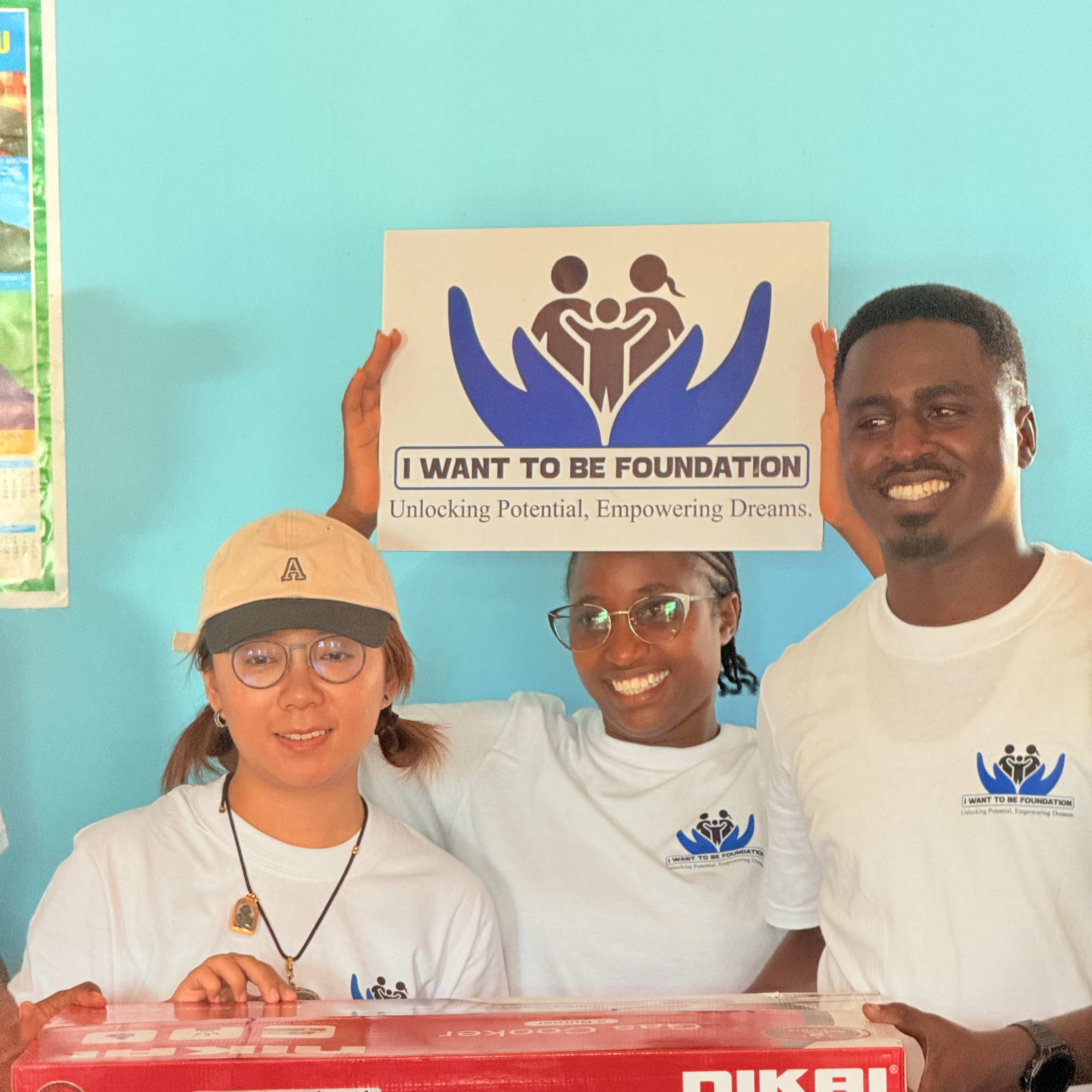
Through the Sauti Sahihi Advocacy Network, I Want to Be Foundation integrates youth perspectives into program design and community policy conversations.
Key elements include:
Training youth ambassadors in leadership and communication
Facilitating structured dialogue between young people and policymakers
Embedding youth consultation across education, health, and community programs
Creating child-safe reporting channels for concerns
This model ensures that children’s voices in Tanzania move beyond symbolic recognition toward institutional integration.
Economic and Social Benefits of Youth Inclusion
Engaging children meaningfully contributes to:
More effective allocation of development funds
Reduced policy failure rates
Improved school attendance
Stronger community trust
Increased civic participation among future adults
Youth engagement is a long-term investment in democratic resilience and social cohesion.
The Hidden Cost of Silence
Silencing children has measurable consequences:
Programs fail to address real risks
Vulnerabilities remain hidden
Girls’ safety concerns go unaddressed
Mental health challenges remain unspoken
Resource allocation becomes misaligned
The cost of silence is paid in inefficiency, exclusion, and preventable harm.
Listening is not optional — it is strategic.
Listening as Leadership
Amplifying children’s voices does not diminish adult expertise.
It enhances it.
When policymakers, educators, and community leaders integrate youth perspectives, they gain access to insights unavailable through adult analysis alone.
Before launching any initiative affecting young people, a simple question should guide the process:
Have we consulted the experts?
If children are not part of the conversation, the conversation is incomplete.
Building a Future That Listens
Children’s voices in Tanzania are not background noise in development discourse. They are frontline intelligence.
If Tanzania’s future belongs to its children, then shaping that future requires their direct participation today.
Children have insight.They have ideas.They have solutions.
The only remaining question is whether we are prepared to listen.


Comments