
Grandparents Revolutionizing Childcare in Tanzania
- Aron
- Feb 27
- 3 min read
How Grandparents Revolutionizing Childcare in Tanzania Are Transforming the Future for Vulnerable Children
Across rural villages and urban communities, grandparents revolutionizing childcare in Tanzania are quietly becoming the backbone of the country’s informal child protection system.
On a warm afternoon in Morogoro, under the shade of a mango tree, Bibi Rehema gathers seven children around her. Only two are her biological grandchildren. The others were orphaned due to HIV, malaria, or parental migration to cities for work. Without legal paperwork, government salary, or institutional backing, she has created something more powerful than policy — a family built on resilience and unconditional love.
“These are all my children now,” she says. “Who else would love them if not me?”
Her story is not unique. It represents a growing national reality.

The Rise of Grandparents Revolutionizing Childcare in Tanzania
Tanzania is experiencing demographic and social shifts driven by:
Public health challenges
Economic migration
Urbanization
Changing family structures
As a result, thousands of children are left without consistent parental care. In this gap, grandparents — especially grandmothers — have stepped forward.
The Data Behind the Movement
Approximately 40% of orphaned children in Tanzania live with grandparents
Nearly 70% of caregiving grandparents are over 60 years old
Most survive on less than $2 per day
Many care for 3–5 children simultaneously
These numbers reveal a silent revolution: elder caregivers are functioning as Tanzania’s most reliable social safety net.
Why Grandparents Provide the Most Stable Childcare Model
Development specialists increasingly recognize that family-based care produces significantly better outcomes than institutionalization.
Grandparents bring unique strengths to childcare:
1. Emotional Stability
Children who have experienced trauma require consistent attachment figures. Grandparents provide permanence. As Bibi Rehema says, “I move slowly, but I am always here.”
2. Cultural Continuity
Elders preserve traditions, language, and moral values — strengthening identity and belonging for children who have lost their parents.
3. Trauma-Informed Instincts
Without formal training, many grandparents naturally establish routines, storytelling practices, and nurturing discipline that mirror trauma-informed care principles.
4. Strong Community Networks
Elders often have long-established community relationships, enabling informal support systems that younger caregivers may lack.
The Science: Why Stable Family Care Improves Outcomes
Research continues to validate what communities have long understood.
A 2022 study from the University of Dar es Salaam found that children participating in structured guided play programs showed a 40% improvement in emotional regulation within six months compared to peers without access to such programs.
Play activates neurological pathways that repair trauma-related stress responses. For children in difficult environments, these activities create what experts call “islands of competence” — moments that rebuild confidence and hope.
When grandparents are supported with resources and training, these positive outcomes multiply.
The Challenges Facing Grandparent Caregivers in Tanzania
Despite their dedication, grandparents revolutionizing childcare in Tanzania face significant barriers:
Physical strain from collecting water or firewood
Limited income to cover school fees and healthcare
Lack of formal guardianship documentation
Low literacy levels that limit homework assistance
Health complications related to aging
Without intervention, these pressures risk overwhelming even the most resilient caregivers.
Sustainable Solutions: Strengthening Grandparents, Not Replacing Them
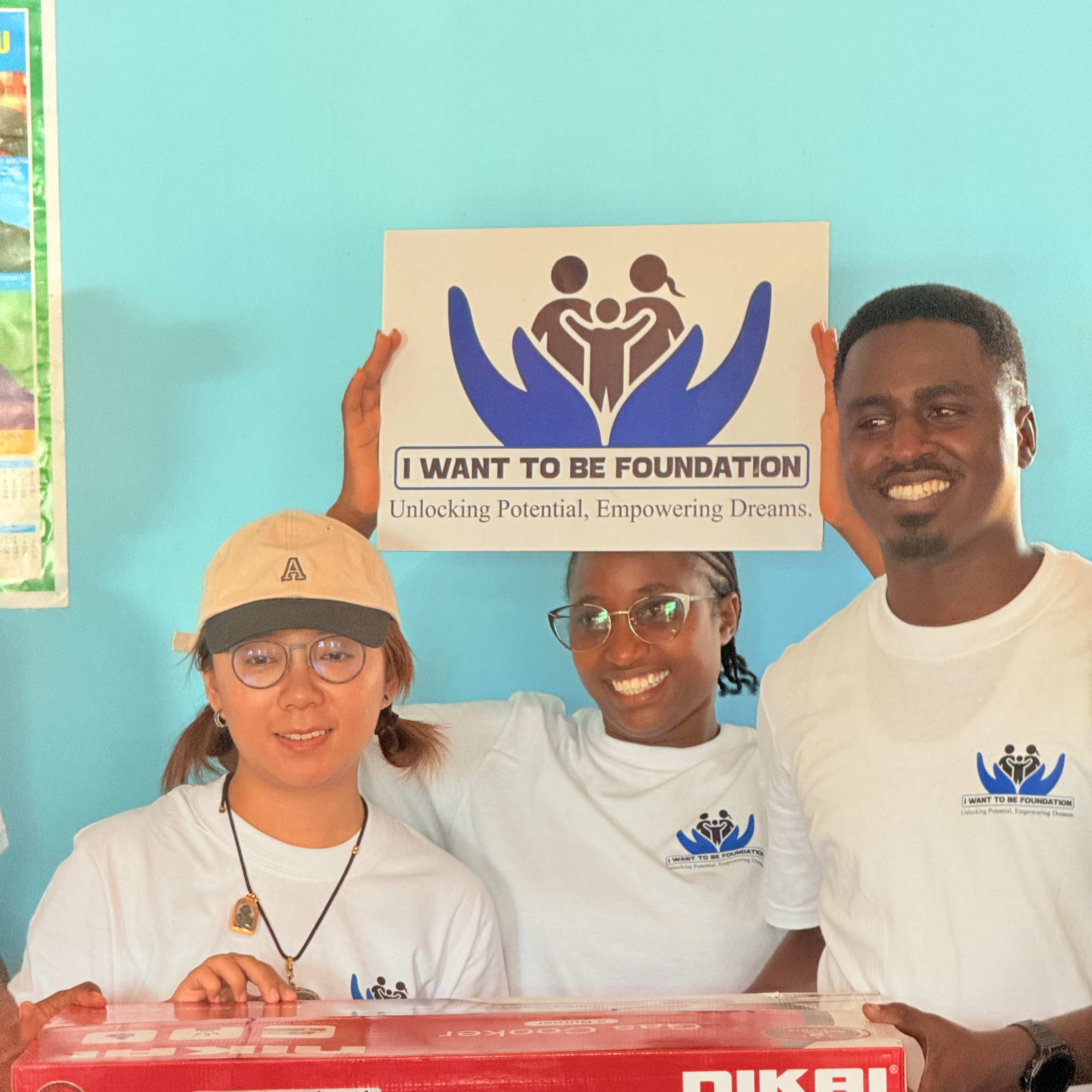
At I Want to Be Foundation, our approach focuses on empowering — not sidelining — elder caregivers.
Through our Mtoto Salama Community Program, we support grandparents with practical, sustainable tools:
Micro-Income Projects
Small-scale poultry farming, basket weaving, and home-based enterprises provide consistent supplemental income.
Legal Assistance
Help securing guardianship documentation unlocks access to school enrollment and healthcare subsidies.
Intergenerational Partnerships
Youth volunteers assist with labor-intensive tasks while learning traditional knowledge and cultural heritage.
Home Adaptations
Solar lighting, improved cookstoves, and rainwater harvesting systems reduce physical strain and improve living conditions.
The goal is not dependency. It is dignity.
Why Supporting Grandparents Is Cost-Effective and Impactful
Institutional childcare is expensive and often emotionally disruptive for children.
By contrast:
Approximately $300 per household annually can support a grandparent caring for multiple children.
Family-based care produces stronger emotional, social, and educational outcomes.
Children remain integrated within their communities.
Supporting grandparents is not charity — it is one of the most economically efficient child welfare strategies available.
Honoring the Unsung Heroes of Tanzania
“I never expected to raise children again at my age,” Bibi Rehema says as she helps a six-year-old practice writing. “But these children have given me purpose. We save each other.”
Grandparents revolutionizing childcare in Tanzania remind us that solutions to complex social problems often already exist within communities. They require recognition, modest resources, and structured support — not replacement.
When we strengthen elder caregivers, we strengthen entire generations.


Comments